Why Clothing Brands Need an E-commerce Website (Stop Being a Shop, Start Becoming a Brand)

E Commerce


E Commerce

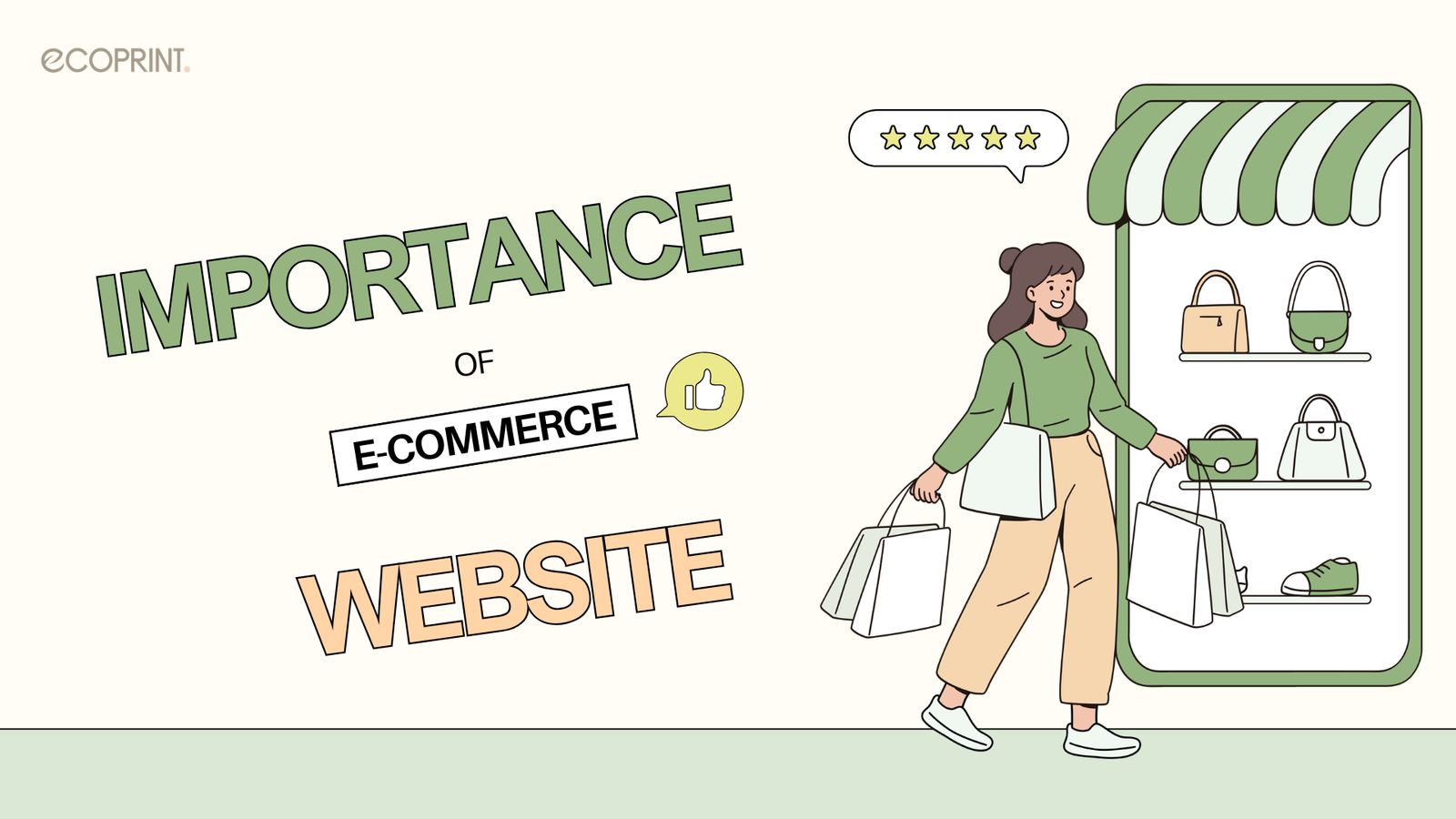
They are simply shops.
A shop depends on local customers, nearby foot traffic, and seasonal sales. If the market is slow or the shop is closed, sales stop.
A brand works very differently.
A brand sells beyond location. It builds recognition, loyal customers, and demand that goes beyond a single street or city.
And in today’s world, the biggest tool that helps transform a shop into a brand is an e-commerce website.
Many clothing sellers believe social media is enough.
They think:
"Instagram hai, WhatsApp hai… website ki kya zaroorat hai?"
This works in the early stages.
But there is a hidden problem.
Platforms like Instagram and marketplaces do not belong to you. Their algorithms change, reach fluctuates, and sometimes accounts get restricted or shadow banned. When that happens, sales suddenly drop.
A website is different.
Your website is your own digital store. It belongs to your brand, and you control how customers experience it.
Instead of depending entirely on third-party platforms, your website becomes the central hub of your business.
A local clothing shop typically serves people from the surrounding area. Customers visit the store, browse the collection, and make purchases if something catches their attention.
A brand, on the other hand, operates on a completely different level.
A brand builds an identity. People recognize the style, trust the quality, and remember the name. Customers do not just buy products—they follow the brand.
An e-commerce website helps make this possible.
It allows your business to sell to customers across cities, build an audience online, and operate continuously even when your physical store is closed.
In simple terms, a shop waits for customers to come.
A brand makes customers search for it.
A strong example of an Indian brand that leveraged e-commerce effectively is Bewakoof.
Founded in 2012, Bewakoof started as a small online T-shirt business. Instead of opening physical stores immediately, the founders focused on building their brand digitally.
Their website became the center of their business strategy. They created a unique identity with quirky designs and humor that resonated strongly with young audiences.
Customers discovered the brand through social media, but most purchases happened directly through their website.
Over time, this strategy helped Bewakoof grow into a multi-crore direct-to-consumer fashion brand with millions of customers across India.
The key lesson is simple: they didn’t just sell T-shirts—they built a recognizable online brand.
Another example of e-commerce success is Snitch.
Snitch focused on modern men’s fashion and positioned itself as a trendy, fast-moving brand. Instead of relying heavily on malls or retail stores in the beginning, the company invested in digital presence.
Their website became the primary sales channel while social media created brand awareness.
By combining strong product design, influencer marketing, and a seamless online store, Snitch grew rapidly and became one of India’s fastest growing direct-to-consumer fashion brands.
The company proved that with the right digital strategy, a fashion brand can scale much faster than traditional retail businesses.
An e-commerce website does more than just sell products.
It creates a professional shopping experience where customers can browse collections, understand your brand story, and make purchases easily.
Instead of depending on a single location, your business can reach customers across the country.
Your website also helps build trust. When customers see a well-designed online store, they feel more confident about the brand. It signals professionalism and reliability.
Most importantly, an online store allows your business to operate 24 hours a day. Even while you sleep, customers can discover your products and place orders.
This is one of the biggest reasons why successful fashion brands invest heavily in their digital presence.
A common pattern appears among small clothing businesses.
They start selling through Instagram. Orders come through direct messages or WhatsApp. Everything is managed manually.
At first, this system feels simple and convenient.
But as orders increase, problems begin to appear.
Managing conversations becomes chaotic, tracking orders becomes difficult, and customers sometimes lose confidence because the process does not feel professional.
Eventually growth slows down.
An e-commerce website solves these issues by creating a structured system for products, payments, and orders.
It transforms scattered online selling into a real brand experience.
Many clothing business owners understand the importance of e-commerce, but they often feel overwhelmed by the technical side.
Questions naturally arise.
How will the website be built?
How will payments work?
How will customers find the store?
This is where EcoPrint can help.
EcoPrint helps clothing businesses create professional e-commerce websites designed specifically for modern online selling.
Instead of struggling with technology, business owners can focus on their core strength—designing great clothing and building their brand identity.
EcoPrint develops online stores that are visually appealing, mobile friendly, and optimized for real customer experiences. Payment gateways, product catalogs, and order systems are integrated so that customers can shop smoothly.
The goal is simple: transform a local clothing shop into a professional digital brand that customers can trust and buy from anywhere.
Want to launch your own online clothing store?
👉 Contact EcoPrint today call at +918902969639 or Whats App and let’s discuss your e-commerce website.